|
||||||||||||||||||||||||||||||||||||||||||||||||
|
||||||||||||||||||||||||||||||||||||||||||||||||
Solidarity in the Cancer Community Through Collaboration
For decades, the cancer advocacy movement has been strengthened by extraordinary nonprofit organizations, research institutions, patient advocates, physician groups, and survivor-led initiatives. Each has dedicated itself to improving outcomes for people affected by cancer through education, research, support services, awareness, fundraising, and public policy. Collectively, these organizations have transformed millions of lives. Yet one question remains; "What if the next great advancement in cancer advocacy is not the creation of another organization—but the ability for existing organizations to work together more effectively?" That question became the foundation of the National Cancer Collective (NCC). Rather than creating another competing organization, the Collective was established to unite organizations around a common purpose while preserving the unique missions that make each one valuable. Meet The National Cancer Collective Cancer patients rarely require only one type of assistance. They need education, diagnostics, treatment guidance, rehabilitation, survivorship planning, mental health services, caregiver support, financial assistance, legislative advocacy, and community resources. No single organization can realistically provide every service every patient may need. Together, however, those resources already exist.
The National Cancer Collective seeks to connect those resources into one coordinated ecosystem where organizations can exchange expertise, promote one another's work, develop joint educational programs, support collaborative research, and amplify public awareness. Rather than competing for attention, organizations become partners working toward the same goal. Over the coming months, the Collective will begin reaching out to organizations across the United States representing every cancer type, every specialty, and every stage of care. National nonprofits, regional advocacy groups, physician societies, survivorship programs, research institutions, and patient organizations all have a place within this collaborative network. The invitation is intentionally simple: Let's work together. When organizations share knowledge, relationships, and opportunities, everyone benefits—but most importantly, so do patients and their families. That is the mission of the National Cancer Collective. Part 2: Beyond Survival
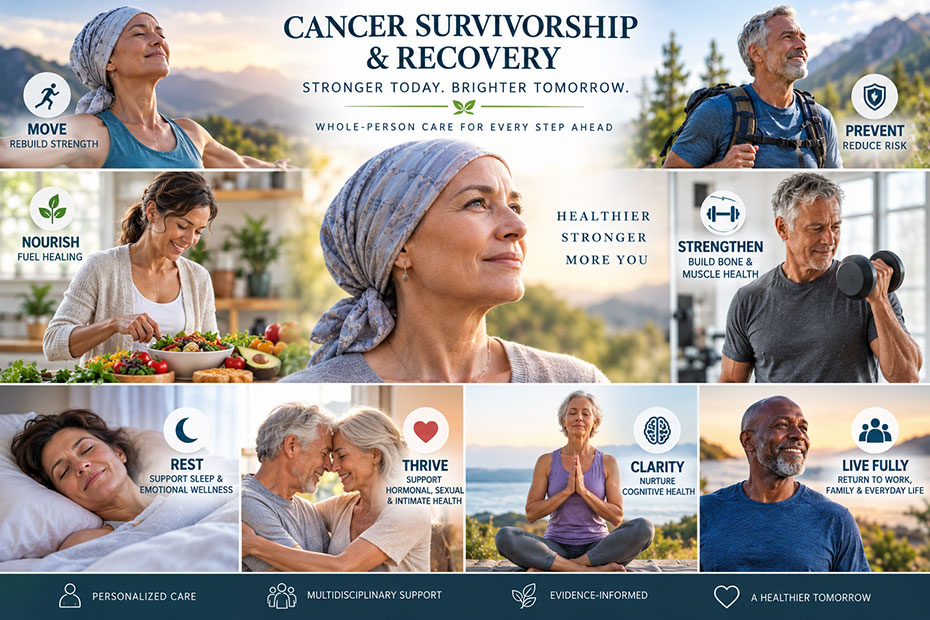
Cancer treatment has advanced dramatically over the past several decades. Today, millions of Americans are living beyond their diagnosis, creating an entirely new challenge for healthcare. Survival is no longer the finish line. Life after cancer often includes physical rehabilitation, emotional recovery, cognitive changes, financial rebuilding, employment concerns, exercise, nutrition, caregiver support, and the lifelong fear of recurrence. Survivorship extends far beyond medicine. It affects families, careers, relationships, and quality of life.
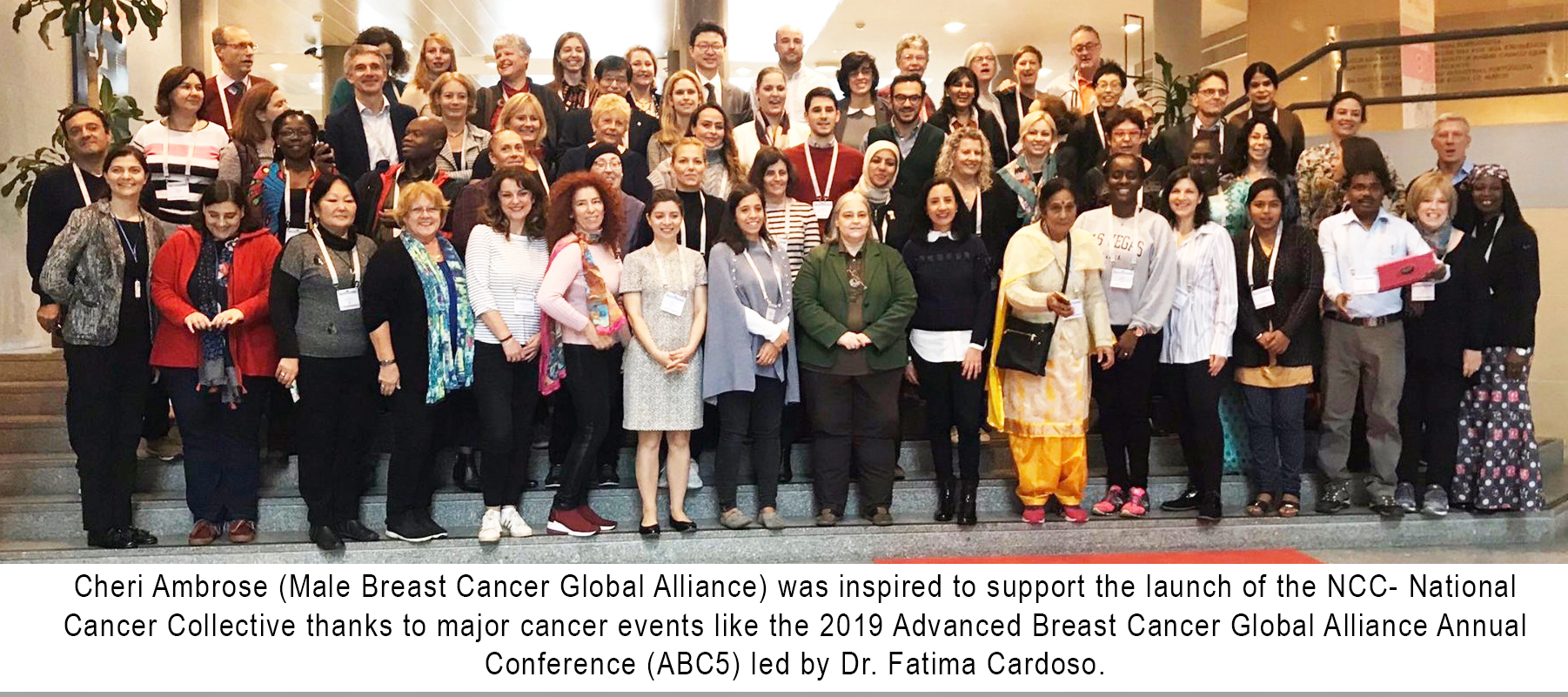
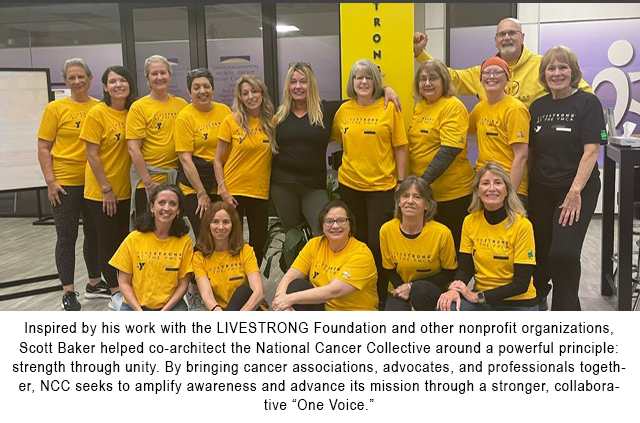
Among the priorities are: The National Cancer Collective recognizes that every organization contributes something unique. Some specialize in research. Others focus on genetics, education, prevention, rehabilitation, caregiver support, or public policy. The Collective's role is not to duplicate those efforts, but to connect them into a national movement where ideas, expertise, and opportunities can flow freely. Among other co-developers, the organization is inspired from a simple truth expressed by survivor advocate Scott Baker: "No single organization can address every challenge faced by individuals and families affected by cancer. But together, organizations can build a stronger network of care that restores not only survival—but quality of life. Ultimately, the National Cancer Collective is about relationships. It is about organizations promoting one another rather than competing with one another. It is about legislative victories becoming shared victories. It is about connecting patients with resources they might never have discovered on their own. Most importantly, it is about ensuring that every person diagnosed with cancer has access to the education, support, rehabilitation, and hope they deserve throughout every stage of their journey. Because when the mission is saving lives, collaboration is not simply an advantage—it is a responsibility." |
||||||||||||||||||||||||||||||||||||||||||||||||
NCC BRANCH #1 Uniting Healthcare Leaders to Advance Men's Health
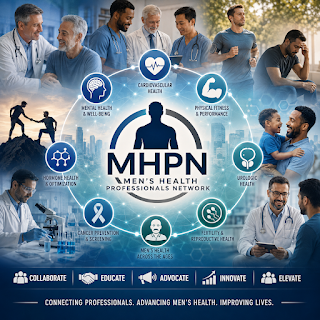
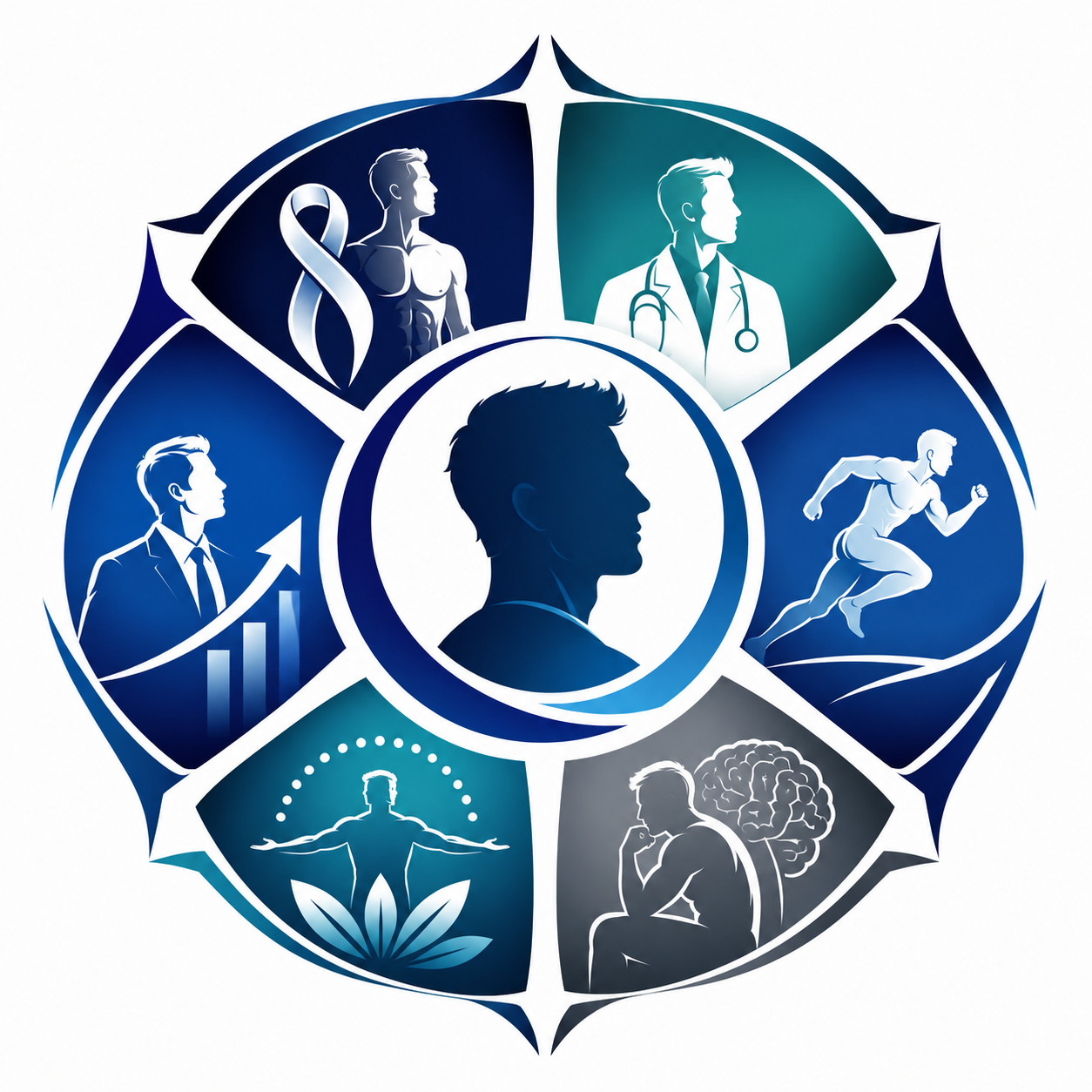
The Men's Health Professionals Network (MHPN) is a national consortium of physicians, healthcare professionals, researchers, educators, advocates, nonprofit organizations, and healthcare innovators dedicated to improving the health, longevity, and quality of life of men. Recognizing that men's health extends far beyond any single disease or specialty, the Network brings together professionals from medicine, surgery, rehabilitation, behavioral health, preventive medicine, diagnostics, nutrition, fitness, longevity medicine, public health, and patient advocacy under one collaborative framework. Rather than operating as separate organizations, members participate within specialized Communities of Excellence that encourage multidisciplinary leadership while remaining connected through one unified mission. Communities of Excellence:
Integrative Men's Wellness Collaborative
The Collaborative explores the many factors that influence men's health, including nutrition, metabolic health, weight management, hormone optimization, cardiovascular health, diabetes prevention, sleep medicine, stress management, healthy aging, and lifestyle medicine. Members also examine emerging research in regenerative medicine, precision health, environmental wellness, and personalized care strategies that empower men to take a more proactive role in their long-term health. A key area of focus is men's sexual and reproductive health, recognizing its important connection to overall physical and emotional well-being. The Collaborative encourages education and multidisciplinary approaches to erectile dysfunction, testosterone deficiency, fertility, prostate health, intimacy, relationship wellness, pelvic health, and sexual function throughout the aging process. By integrating expertise from urology, endocrinology, cardiology, mental health, rehabilitation, and wellness medicine, members promote comprehensive solutions that improve both quality of life and overall health outcomes. Through education, professional networking, collaborative research, and the exchange of best practices, the Integrative Men's Wellness Collaborative serves as a center of excellence for clinicians dedicated to helping men live longer, healthier, more active, and more fulfilling lives through truly whole-person care.
The Collaborative Rehabilitation & Recovery Collaborative
Men's Longevity & Performance Institute Professional Leadership & Practice Development Center
The MHPN Difference Whether advancing early cancer detection, improving rehabilitation, promoting mental wellness, supporting healthy aging, or building stronger healthcare practices, the Men's Health Professionals Network exists to unite professionals around one common purpose: Helping men live longer, healthier, and more fulfilling lives through collaboration, education, and innovation. For more information, visit our latest news about the MHPN. Also, we welcome professionals specializing in Men's Health in our FREE LINKEDIN GROUP.
|
||||||||||||||||||||||||||||||||||||||||||||||||
NCC BRANCH #2 Building the Women's Health Professionals Network
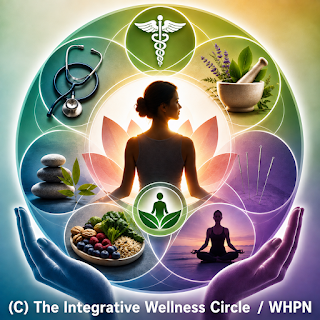
Equally important, the Network is committed to supporting organizations—not replacing them. Every participating nonprofit, healthcare institution, private practice, advocacy group, educational initiative, and wellness organization maintains its own identity while gaining access to an expanding community of professionals committed to advancing women's health together. The future of healthcare belongs to those willing to collaborate across specialties, disciplines, and organizations. The Women's Health Professionals Network exists to build those bridges. As we launch this exciting new chapter, we invite physicians, researchers, clinicians, educators, advocates, nonprofit leaders, wellness professionals, healthcare innovators, and industry partners to become part of a growing national movement dedicated to strengthening women's health through education, relationships, leadership, and collective action. Together, we are building more than a professional network. We are creating a national community where knowledge is shared, partnerships flourish, organizations grow stronger, and every connection has the potential to improve the lives of women everywhere. Welcome to the Women's Health Professionals Network. A New Framework for CollaborationThe Women's Health Professionals Network (WHPN) has been reimagined as more than a professional networking organization—it is an assembly of collaborative leadership communities, each dedicated to advancing a specific area of women's health while working together under one unified mission.Rather than functioning as independent organizations, these communities are led by teams of professionals who share expertise, cultivate strategic partnerships, develop educational initiatives, promote research, support nonprofit collaboration, and create opportunities for multidisciplinary cooperation. Each group serves as a center of excellence within its specialty while contributing to the broader vision of improving women's health through collective leadership. Together, these leadership communities form the foundation of the Women's Health Professionals Network:
Each collaborative is guided by experienced leaders and supported by engaged members who believe that today's healthcare challenges cannot be solved by one profession or one organization alone. By bringing together experts from diverse disciplines, the Women's Health Professionals Network creates an environment where ideas become partnerships, partnerships become initiatives, and initiatives become lasting improvements in the health and well-being of women everywhere.
Building the National "Village"
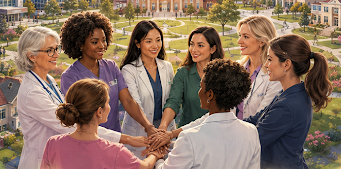
The Women's Health Professionals Network is more than a professional association. It is an ecosystem built upon the belief that collaboration creates opportunity. Members will have opportunities to participate in educational publishing, webinars, podcasts, conferences, leadership councils, committee initiatives, multidisciplinary research, mentorship programs, professional referrals, speaking engagements, strategic partnerships, advocacy campaigns, and collaborative projects that elevate both individuals and the organizations they represent. Equally important, the Network is committed to supporting organizations—not replacing them. Every participating nonprofit, healthcare institution, private practice, advocacy group, educational initiative, and wellness organization maintains its own identity while gaining access to an expanding community of professionals committed to advancing women's health together. The future of healthcare belongs to those willing to collaborate across specialties, disciplines, and organizations. The Women's Health Professionals Network exists to build those bridges. As we launch this exciting new chapter, we invite physicians, researchers, clinicians, educators, advocates, nonprofit leaders, wellness professionals, healthcare innovators, and industry partners to become part of a growing national movement dedicated to strengthening women's health through education, relationships, leadership, and collective action. Together, we are building more than a professional network. We are creating a national community where knowledge is shared, partnerships flourish, organizations grow stronger, and every connection has the potential to improve the lives of women everywhere. Welcome to the Women's Health Professionals Network. ALSO VISIT: THE WOMEN'S HEALTH DIGEST
TO JOIN OUR FREE NETWORK- CLICK HERE.
|
||||||||||||||||||||||||||||||||||||||||||||||||
HEALTH EDUCATION ADVOCATE
The National Cancer Collective (NCC) recognizes one of the most important lessons in cancer awareness: cancer can be remarkably sneaky. In many cases, disease may develop without obvious symptoms, remain undetected for extended periods, or only become apparent after it has progressed. Unlike an injury that immediately demands attention, cancer may provide few warning signs in its earliest stages. This presents a particular challenge within professions such as firefighting, where strength, endurance, courage, and self-reliance are deeply embedded in the culture. Firefighters are trained to protect others, respond to emergencies, and push through difficult circumstances. Too often, however, routine screenings and personal health assessments may be postponed while the demands of the job—and everyday life—take priority. The lesson is simple: do not wait for symptoms to become the reason for getting checked. Appropriate screening, attention to occupational risk factors, and timely evaluation of unusual changes can improve the opportunity to identify many cancers earlier, when treatment may be more effective. Fortunately, the culture is changing. Greater awareness of occupational cancer risks, combined with education, advocacy, research, and the experiences of firefighters and other first responders affected by cancer, is encouraging more people to take their own health seriously. For the NCC, however, the work is only beginning. Through digital education, social media, streaming video, professional partnerships, and collaboration among cancer organizations, the Collective seeks to take this message to a much larger audience: Protecting others is part of the mission. Protecting yourself must be part of it, too. Get checked. Know your risks. Early detection can save lives.
|
||||||||||||||||||||||||||||||||||||||||||||||||
|
||||||||||||||||||||||||||||||||||||||||||||||||
Once you do enough Google-searching (especially key words like "CANCER PREVENTION", "STAY IN REMISSION"), you'll learn how to come up with a simple plan to keep cancer away- or increase the likelihood of beating cancer with the comprehensive Early Detection & Prevention plan. In each case, much can be done to prevent the current stage. The first step is to GET MORE FAMILIAR WITH YOURSELF. • Be aware of your genetic lineage: risk of cancer increases upon heredity. The first place to look is within your own dna or family history. Many cancers tend to travel down generations. It can also have the tendency to skip one generation and appear in the next one. • Periodic Checking of your body for any anomalies like lumps, bumps, discolored bruises or growths. Self-checking is the first base. Also stay on top of unusual feelings like frequent headaches, unique pains and strains- anything that feels out of the ordinary. Take nothing for granted when it comes to your body. • Know your environment: Many health issues are known to be caused by environmental toxins. Where you sleep, eat and work could be affecting how you feel later. Some health hazards are fairly visible and apparent while others may need some historical research in your area where there may have been potential chemical wastes or spills in the past. If you know of such issues, further research, demographic studies, protective measures and targeted checkups may be your next step. ADDITIONAL LINKS: IDENTIFICATION OF WEAKENED IMMUNE SYSTEM AND HOW TO BOOST IT |
||||||||||||||||||||||||||||||||||||||||||||||||
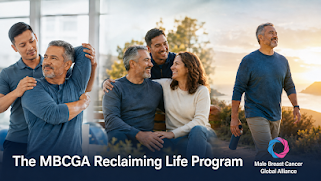
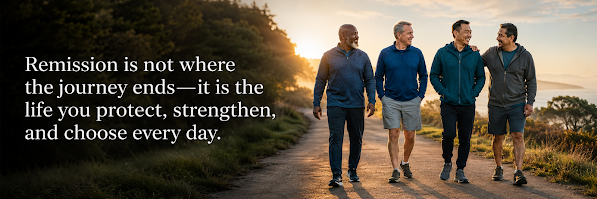
An Individual Survivorship Health Plan Every survivor should ultimately have an Individual Survivorship Health Plan reflecting cancer history, treatment exposures, present health, functional limitations and personal goals. This requires a multidisciplinary approach involving oncology, primary care, exercise oncology, nutrition, physical and occupational therapy, behavioral health, rehabilitation and other specialists as appropriate. For organizations serving the male breast cancer community, this broader model offers another opportunity: ensuring that men are not simply represented during diagnosis and treatment, but supported throughout the years that follow. Measuring More Than Survival Survivorship should not simply mean that treatment stopped. It should mean that another phase of care has begun. |
||||||||||||||||||||||||||||||||||||||||||||||||
|
||||||||||||||||||||||||||||||||||||||||||||||||
|
||||||||||||||||||||||||||||||||||||||||||||||||
| © Copyright 2026: NATIONAL CANCER COLLECTIVE- All Rights Reserved |